Mahi-Mahi Season in Quepos — When and Where to Catch Dorado
Bright, fast, and acrobatic — here's how we find and fish for mahi-mahi (dorado) off the coast of Quepos, Costa Rica.
Mahi-mahi are most active off Quepos from May through September, when warmer green-season waters concentrate baitfish around floating debris, weed lines, and current edges. They're commonly caught trolling colorful lures or skirted ballyhoo on our 3/4-day and full-day offshore charters, and often show up as a bonus catch while targeting sailfish or tuna.
Why Mahi-Mahi Are a Favorite Offshore Catch
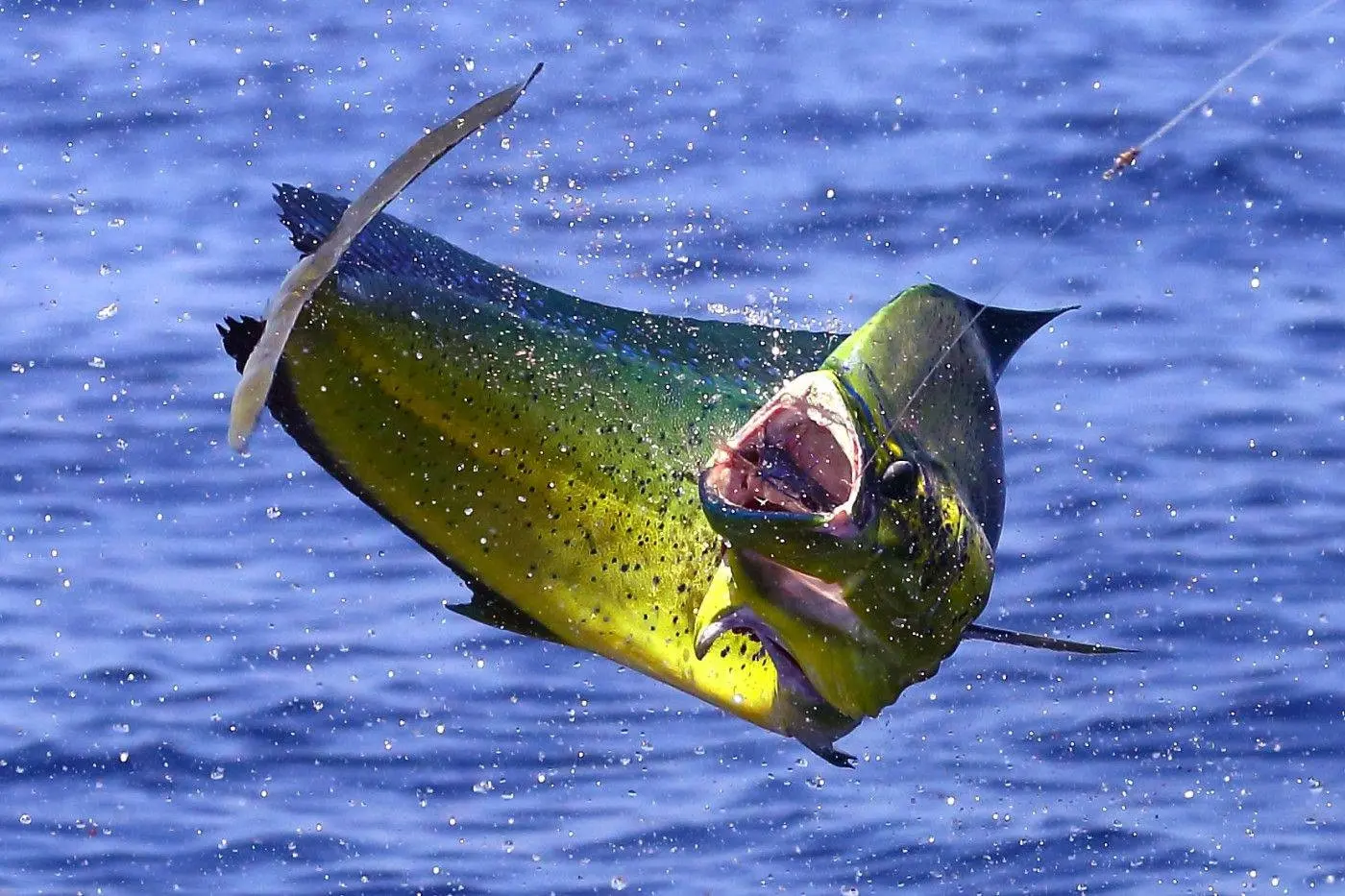
Few fish put on a show quite like mahi-mahi. They're some of the most visually striking fish in the ocean — electric blues, greens, and golds that flash and shift as they fight — and they're acrobatic on the line, often greyhounding across the surface in long jumping runs. Add in that they're excellent to eat, and it's easy to see why mahi-mahi are a favorite target for anglers of every experience level in Quepos.
They're also one of the more forgiving species to target: mahi-mahi travel in schools, so hooking one often means several more are nearby, and they respond aggressively to a wide range of lures and bait.
Best Time to Catch Mahi-Mahi in Quepos
Mahi-mahi are caught in Quepos waters throughout the year, but activity peaks during the green season, roughly May through September. Warmer surface temperatures and increased baitfish activity during these months pull larger schools of mahi-mahi toward the surface and closer to floating structure within range of an offshore charter.
Outside peak season, mahi-mahi are still a realistic bonus catch on most offshore trips — they're opportunistic and often intercept trolled lures meant for sailfish or tuna.
Where to Find Mahi-Mahi Off Quepos
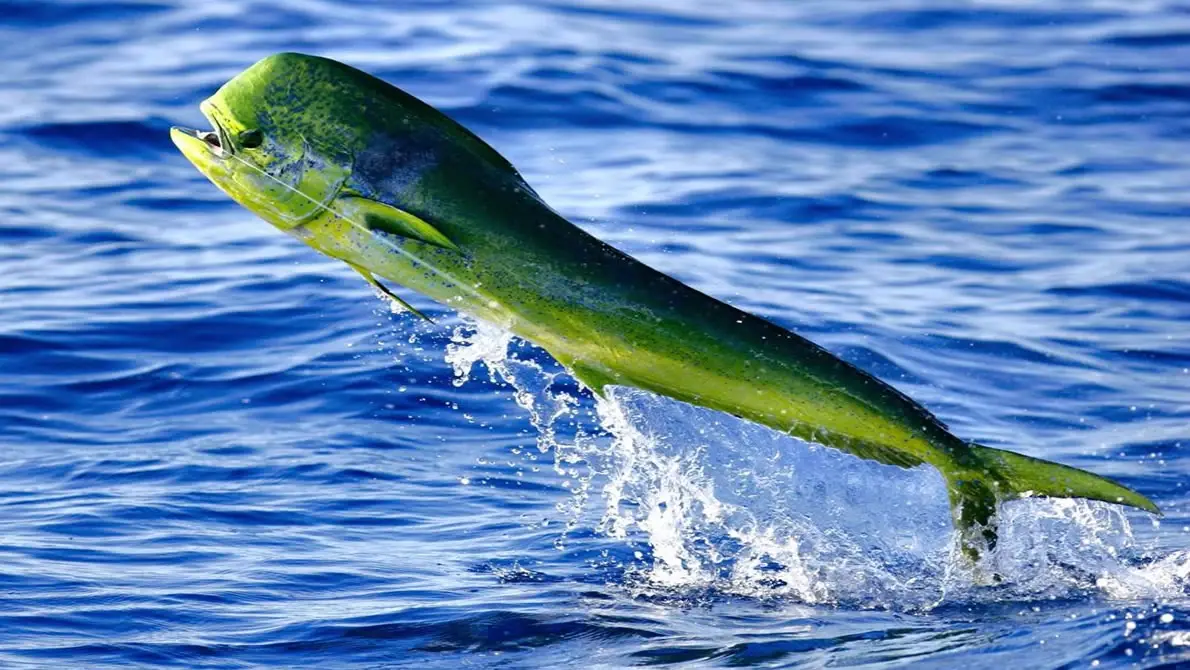
Mahi-mahi gravitate toward anything floating on the surface — logs, weed lines, buoys, even trash — because baitfish congregate underneath it for shelter, and mahi-mahi follow. Our captains work these current edges and floating debris fields, watching for the telltale flash of color just under the surface or birds working bait balls nearby.
How We Target Mahi-Mahi
Trolling brightly colored skirted lures or rigged ballyhoo at moderate speed is the most common approach, since mahi-mahi are drawn to movement and color as much as scent. Once a fish is hooked, keeping it in the water near the boat often draws the rest of the school into casting range — a technique that can turn one strike into several fish for the cooler.
What to Expect on the Fight
Mahi-mahi in Quepos waters typically run 10-30 lbs, with bull dorado — the larger males, recognizable by their squared-off foreheads — occasionally pushing past 40 lbs. They're not the heaviest fighters offshore, but they more than make up for it with speed, aerial jumps, and sheer energy on light to medium tackle.
Mahi-Mahi Table Fare
Mahi-mahi is one of the most popular eating fish caught off Costa Rica — mild, flaky, and forgiving to cook, whether grilled, blackened, or served as ceviche. Like yellowfin tuna, mahi-mahi is a keeper species (unlike the billfish we release), and many guests take a portion of their catch back to their hotel kitchen.
Which Charter Is Best for Mahi-Mahi?
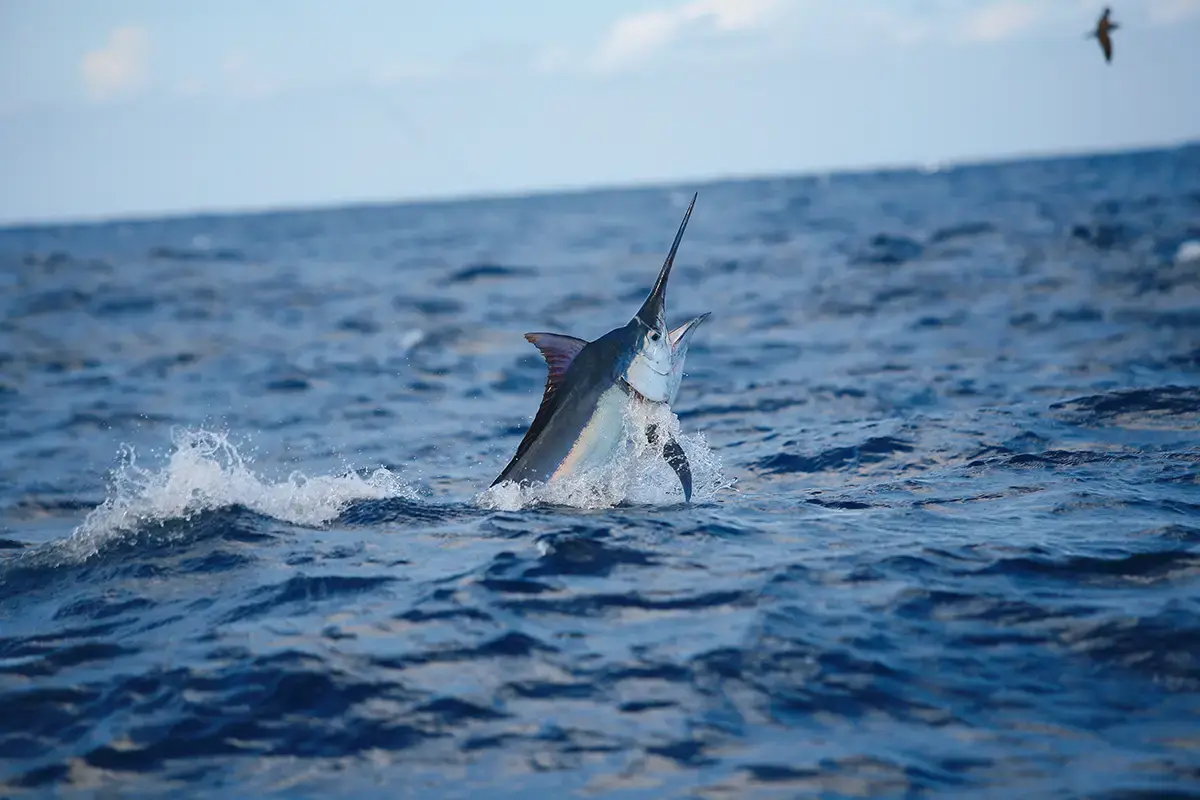
Mahi-mahi show up on nearly every offshore trip during peak season, making our 3/4-Day and Full-Day Offshore charters the best options — both reach the floating debris and current edges where dorado concentrate. They're also a common bonus catch on charters primarily targeting sailfish or marlin, so you don't need to book a dedicated trip to have a good shot at one.
Mahi-Mahi at a Glance
Here are the key facts, at a glance:
- Peak season: May–September (green season)
- Typical size: 10–30 lbs, bull dorado larger
- Best charter: 3/4-Day or Full-Day Offshore
- Technique: trolling colorful lures/ballyhoo
- Table quality: mild, flaky, versatile
- Often a bonus catch on sailfish/tuna trips
Chase Mahi-Mahi in Quepos
Bright, fast, and one of the best meals in the ocean. Book a 3/4-Day or Full-Day Offshore charter and go after it.
Costa Rica Fishing Company
Expert Local Fishing Guides — Quepos, Costa RicaOur team of experienced local captains and fishing guides has been operating out of Quepos Marina for years. We share our knowledge of the local fishery to help anglers plan the perfect Costa Rica fishing trip.
Mahi-Mahi — Common Questions
Mahi-mahi peak from May through September during the green season, though they're caught as a bonus species on offshore trips throughout the year.
Most run 10-30 lbs, with larger bull dorado occasionally pushing past 40 lbs during peak months.
Around anything floating on the surface — weed lines, logs, buoys, or debris — since baitfish gather underneath and mahi-mahi follow to feed.
Yes. Mahi-mahi is an excellent eating fish, and unlike billfish, which we release, many guests keep a portion of their catch to take home.
Not necessarily — mahi-mahi are a common bonus catch on charters targeting sailfish or tuna. That said, our 3/4-Day and Full-Day Offshore charters give the best overall shot at them.
Not particularly — they're aggressive feeders that respond well to trolled lures and bait, and since they travel in schools, hooking one often leads to more.
More Fishing Tips & Guides
Ready to Fish Costa Rica?
Private charters available every day of the year from Quepos Marina. Expert local captains, all tackle included, hotel pickup available.