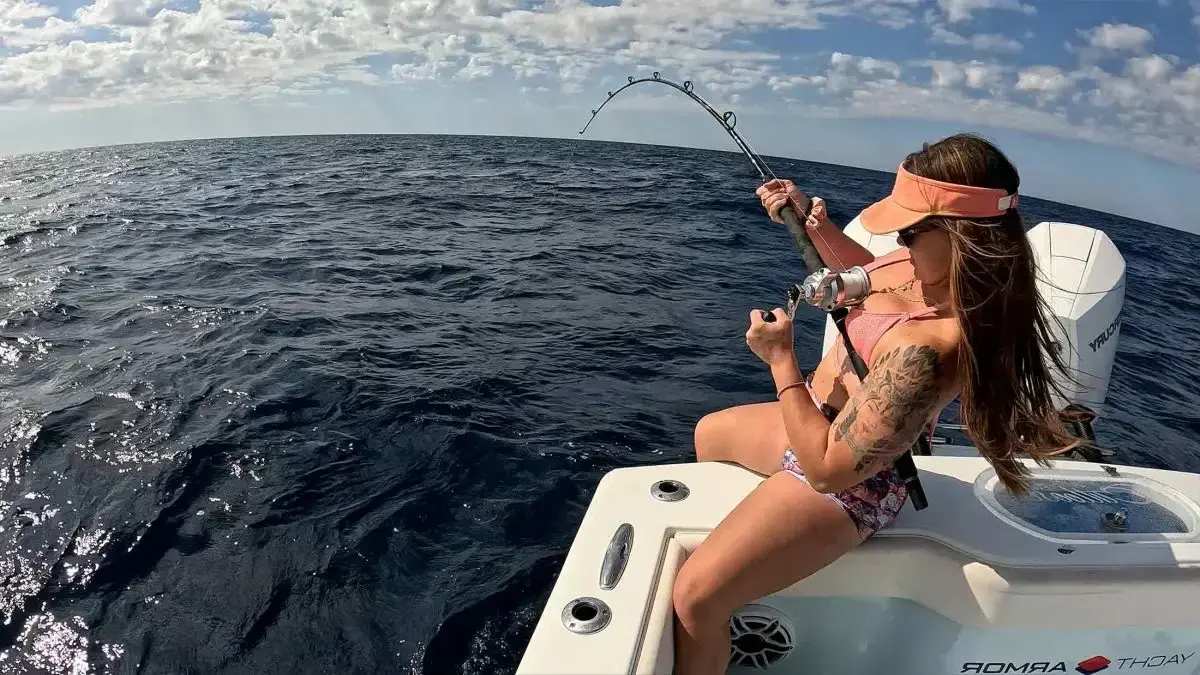
Inshore vs. Offshore Fishing in Quepos — Which Is Right for You?
Calm coastal water or blue-water big game — here's how the two styles of fishing in Quepos compare, and how to pick the right charter.
Inshore fishing in Quepos stays within a few miles of the coast, targeting roosterfish, snapper, and jack crevalle in calmer water on shorter trips — a great fit for families and first-timers. Offshore fishing runs 20 to 30+ miles into blue water after sailfish, marlin, tuna, and mahi-mahi on longer trips built for anglers chasing bigger game. Both are available year-round from Quepos Marina, and the right choice comes down to who's on the boat and what you want to catch.
Two Very Different Days on the Water
"Inshore" and "offshore" describe two distinct styles of fishing, not just a distance from the dock. They differ in where you fish, what you're targeting, how the boat rides, and even who the trip is best suited for. Understanding the difference is the fastest way to pick the right charter for your group.
What Is Inshore Fishing?
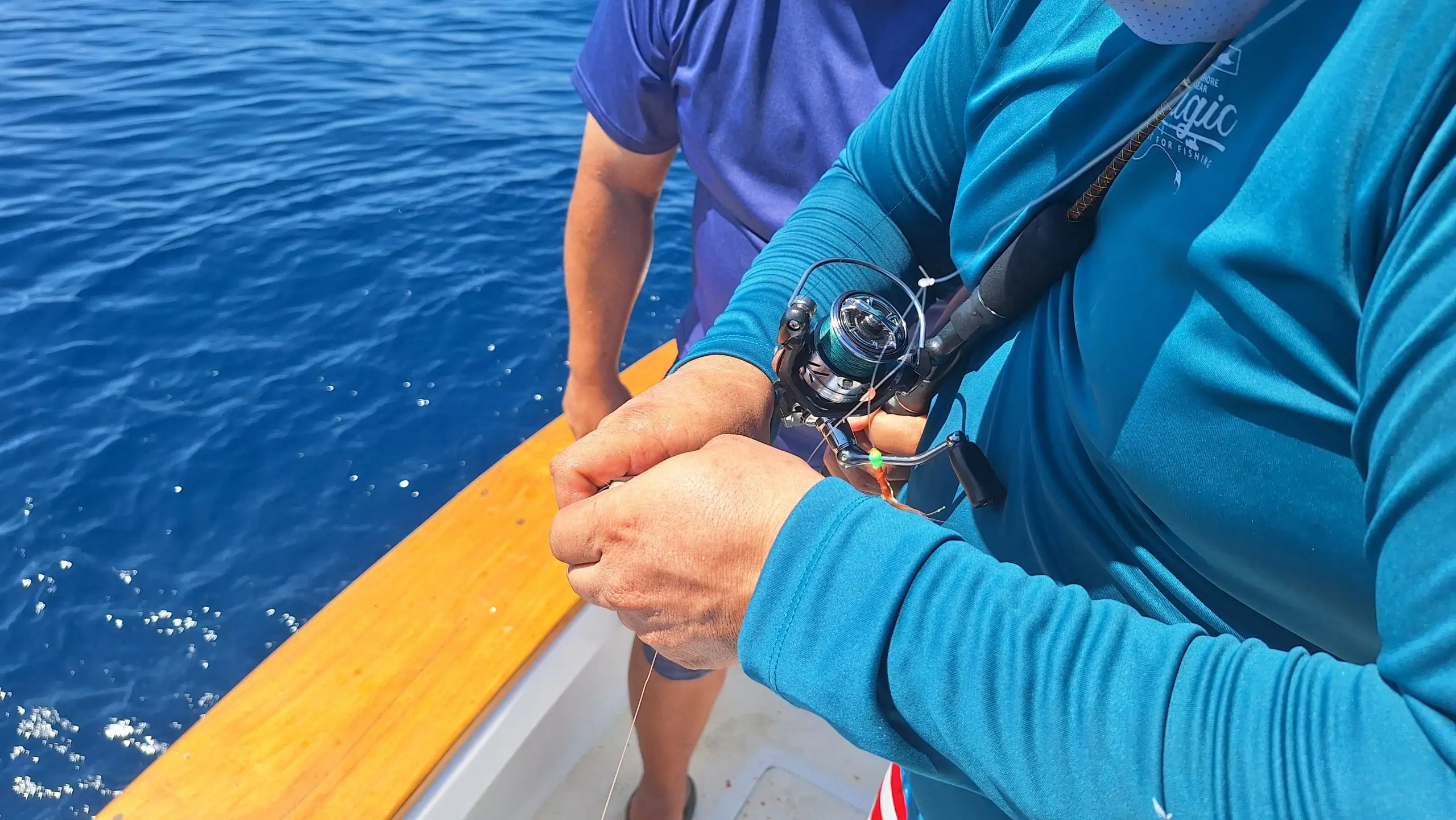
Inshore fishing keeps you close to land — typically within a few miles of the coastline, working river mouths, rocky points, and nearshore structure around Quepos and Manuel Antonio. The water here is calmer and more protected, and trips are shorter and more relaxed.
Common inshore catches include roosterfish, snapper, jack crevalle, and snook, with action that can be fast and steady throughout the trip. It's fished on our Half-Day and 3/4-Day Inshore charters.
What Is Offshore Fishing?
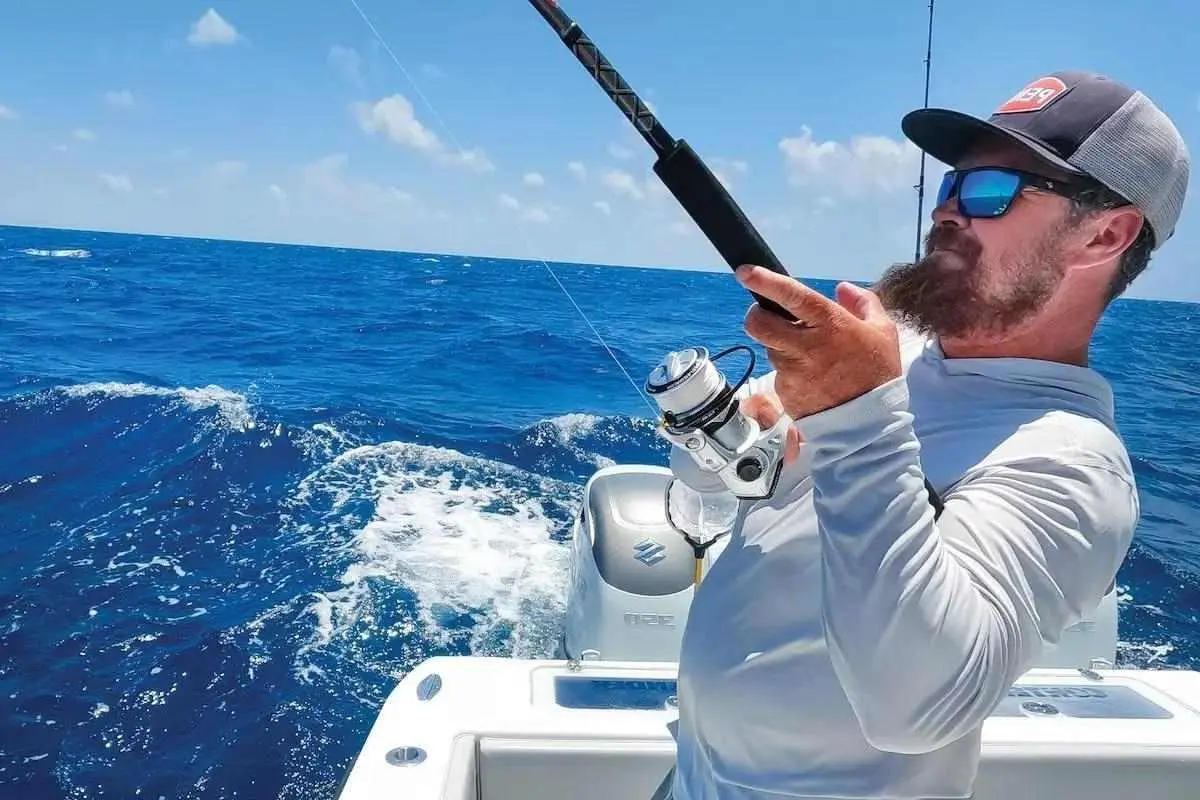
Offshore fishing means running well past the coastline — often 20 to 30 miles or more — out to the blue water where deep Pacific canyon structure meets the surface currents. It's a longer boat ride to reach, and the target species are bigger and more prized.
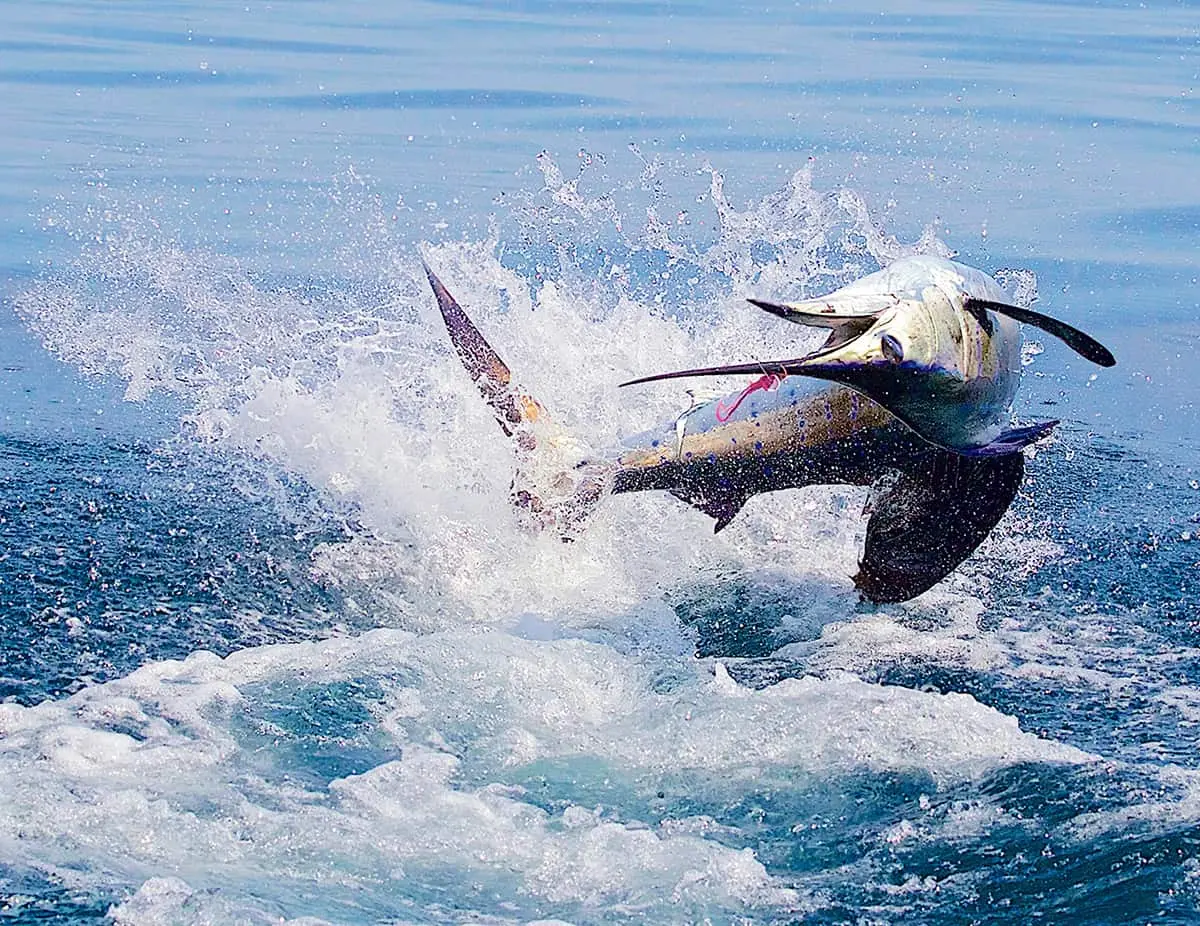
This is where you'll find sailfish, blue marlin, yellowfin tuna, and mahi-mahi. It's fished on our Full-Day and 3/4-Day Offshore charters, which cover the extra distance needed to reach productive blue water.
Inshore vs Offshore: Key Differences
Distance is only the start. Inshore trips run in calmer, more protected water and are generally easier on anglers prone to seasickness, while offshore trips head into open ocean swell and take longer to reach the fishing grounds. Inshore species like snapper and jack crevalle can often be kept for the table, while offshore billfish — sailfish and marlin — are always released; tuna and mahi-mahi are typically kept. Offshore fights also tend to be longer and more physically demanding than the quicker, more frequent inshore bites.
Which Is Better for Families and First-Timers?
Inshore fishing is usually the better starting point for families, kids, and anyone new to sport fishing. The water is calmer, trips are shorter, seasickness is less of a concern, and the steady action keeps everyone engaged without a long ride to get there.
Which Is Better for Serious Anglers?
Offshore fishing is the pick for anglers chasing bucket-list species and a real fight. Sailfish, marlin, and tuna deliver longer runs and more demanding battles, and a full day offshore gives you the best shot at the biggest fish Quepos has to offer.
Which Charter Should You Book?
Half-Day Inshore is the easiest entry point — a short, calm-water trip great for families or a first taste of Costa Rica fishing. 3/4-Day Inshore gives more time to work the coastline for a bigger variety of inshore species. 3/4-Day Offshore reaches blue water with a shorter overall day for anglers on a tighter schedule. Full-Day Offshore is built for serious anglers who want the most time in the productive water and the best chance at multiple hookups.
Inshore vs Offshore at a Glance
Here are the key facts, at a glance:
- Inshore: 1–5 miles from shore, calmer coastal water
- Offshore: 20–30+ miles, open blue water
- Inshore species: Roosterfish, snapper, jack crevalle, snook
- Offshore species: Sailfish, marlin, tuna, mahi-mahi
- Best for families and first-timers: Inshore
- Best for serious anglers and big game: Offshore
Choose Your Perfect Charter
Calm coastal water or blue-water big game — we run both, year-round from Quepos Marina. Book the charter that fits your group.
Costa Rica Fishing Company
Expert Local Fishing Guides — Quepos, Costa RicaOur team of experienced local captains and fishing guides has been operating out of Quepos Marina for years. We share our knowledge of the local fishery to help anglers plan the perfect Costa Rica fishing trip.
Inshore vs Offshore — Common Questions
Inshore fishing stays within a few miles of the coast in calmer water, targeting species like roosterfish and snapper. Offshore fishing runs 20 to 30+ miles into blue water after sailfish, marlin, tuna, and mahi-mahi.
Inshore fishing. The water is calmer, trips are shorter, and the steady action keeps kids and first-timers engaged without a long ride to reach the fishing grounds.
Offshore charters typically run 20 to 30 miles or more out to blue water, where deep canyon structure meets the surface currents that hold sailfish, marlin, and tuna.
Yes, in most cases. Species like snapper and jack crevalle can typically be kept, while billfish caught offshore — sailfish and marlin — are always released.
Talk to us before booking — we can help you choose between a 3/4-Day Inshore or 3/4-Day Offshore trip based on what you most want to target and how much time you have.
Generally, yes. Offshore trips head into open ocean swell, while inshore water is more protected and calmer — worth considering if you're prone to seasickness.
More Fishing Tips & Guides
Ready to Fish Costa Rica?
Private charters available every day of the year from Quepos Marina. Expert local captains, all tackle included, hotel pickup available.