Fishing Tips7 min readFishing Tips · Costa Rica
Costa Rica Catch and Release Rules — What Anglers Must Know
Which fish must go back, which you can keep and what the law says about billfish handling, circle hooks and licenses — explained simply for visiting anglers.
Costa Rica Fishing Company
Quick Answer
- In Costa Rica, sailfish and marlin are protected sport-fishing species: they cannot be brought on board or handled out of the water and are released alive. Roosterfish are also protected for sport fishing and are released by standard practice. Tuna, mahi-mahi, wahoo and snapper can be kept for your own table — up to five fish per trip — but sport catch can never be sold. Circle hooks are required with natural bait for billfish, and everyone fishing needs an INCOPESCA permit, which is included in our charters.
Why Costa Rica Protects Its Sport Fish
Sport fishing is a major part of Costa Rica's tourism, and the country protects the fish that make it world-class. Under the Fisheries and Aquaculture Law (Law 8436, Article 76), sailfish, blue marlin, black marlin, striped marlin and tarpon are declared species of tourist and sport-fishing interest. INCOPESCA, the national fisheries institute, later added roosterfish to that group.
For visiting anglers the practical result is simple: the most iconic fish go back into the water, and the rest of the rules are easy to follow when you fish with a licensed charter. This guide summarizes the main points; it is not legal advice, and regulations can change, so INCOPESCA has the final word.
Sailfish and Marlin: Always Released in the Water
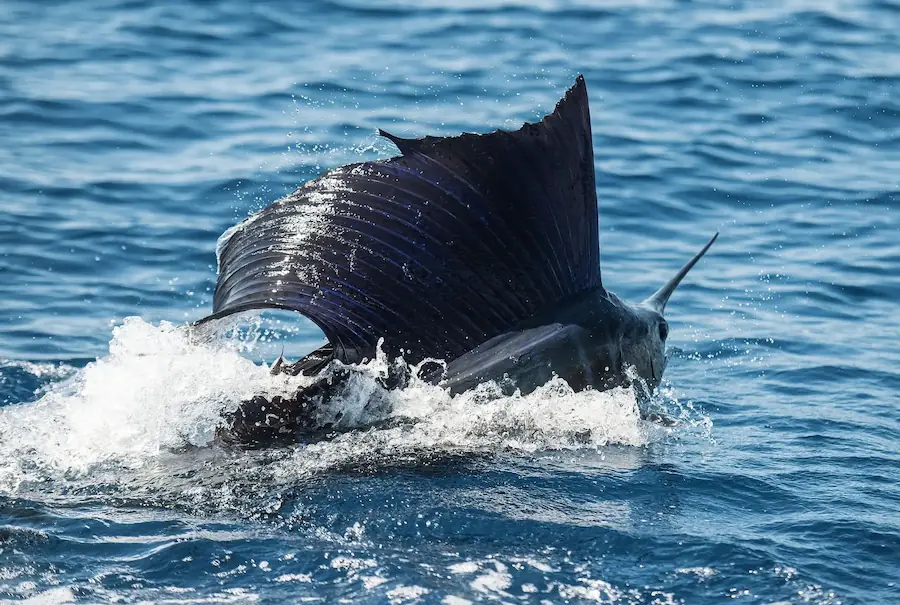
Billfish — sailfish and marlin — may not be lifted on board or handled out of the water, and gaffs may not be used to bring them alongside (INCOPESCA agreement AJDIP 280-2014). The fish is released next to the boat: the crew removes the hook or cuts the leader as close to it as possible and lets the fish swim off.
That also means no on-board photos holding a sailfish or marlin, except for world-record catches or tournaments approved by INCOPESCA. You still get your photos: the crew takes them with the fish in the water, right beside the boat.

Roosterfish and Tarpon
Roosterfish and tarpon are also species of sport-fishing interest. On the Pacific coast, roosterfish are released by standard practice across the charter industry — it isn't written as a strict rule the way billfish handling is, but it is how roosterfish stay plentiful along the Quepos and Manuel Antonio coast. Tarpon is a Caribbean-side species, so you won't target it from Quepos.
What You Can Keep
Species such as yellowfin tuna, mahi-mahi, wahoo and snapper can be kept for your own table. The limit is five fish per trip landed for personal consumption or taxidermy (Executive Decree 36782, Article 68), and catch from sport or tourist fishing can never be sold. On our charters the crew cleans and fillets what you keep at the end of the trip.
Circle Hooks and Careful Handling
When marlin, sailfish or swordfish are targeted with live or dead natural bait, circle hooks are mandatory (INCOPESCA agreement AJDIP 439-2003). Circle hooks usually catch in the corner of the mouth instead of deep in the throat, which makes the release faster and safer for the fish. For every species, good practice is to keep fights short, handle fish with wet hands and let them recover in the water before releasing them.
Fishing Licenses
Everyone fishing from a sport-fishing boat in Costa Rica needs an INCOPESCA fishing permit, and the boat itself must hold a sport-fishing license. With Costa Rica Fishing Company you don't have to arrange anything: the license is included in every charter and covers everyone on board. Our fishing license guide explains the details.
How We Release Fish on Our Charters
On every trip our crew follows the same routine: billfish stay in the water, the hook is removed or the leader is cut close, and the fish is held facing into the current until it swims away strongly. If a fish has swallowed the hook, the line is cut and the hook is left in place rather than forced out. You get your photos boatside, and the fish gets back to the reef or the blue water to fight another day.
The Rules at a Glance
Here are the key rules, at a glance:
- Sailfish and marlin: released alive, never lifted on board
- Roosterfish: released by standard practice
- Keepers: tuna, mahi-mahi, wahoo, snapper — up to 5 per trip
- Sport catch can never be sold
- Circle hooks required with natural bait for billfish
- INCOPESCA permit required — included in our charters
More local fishing guides on our partner site: manuelantoniodeepseafishing.com

Costa Rica Fishing Company
Expert Local Fishing Guides — Quepos, Costa RicaOur team of experienced local captains and fishing guides has been operating out of Marina Pez Vela for years. We share our knowledge of the local fishery to help anglers plan the perfect Costa Rica fishing trip.
Frequently Asked Questions
Catch and Release — Common Questions
Keep Reading
More Fishing Tips & Guides
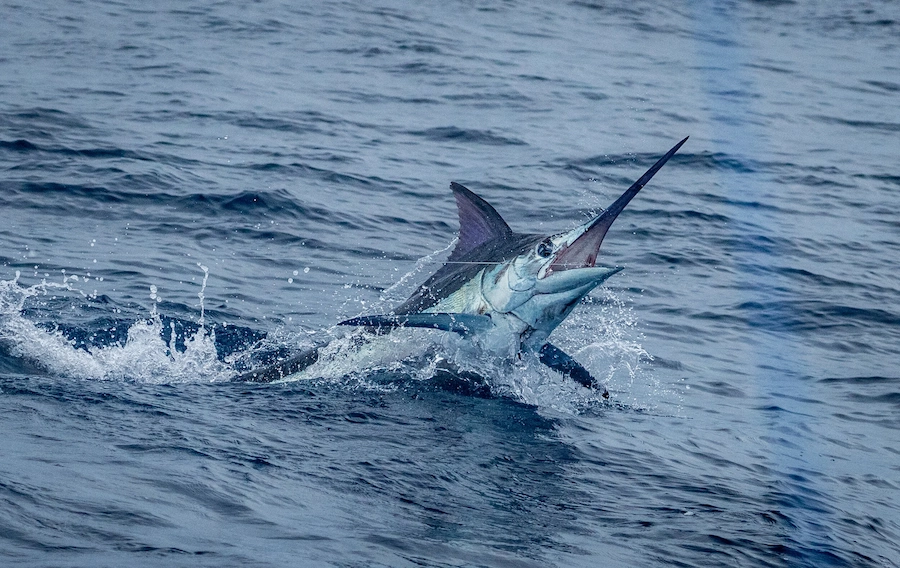
Blue Marlin Fishing in Quepos — Season, Tactics & Charters
August 4, 2026 · 7 min read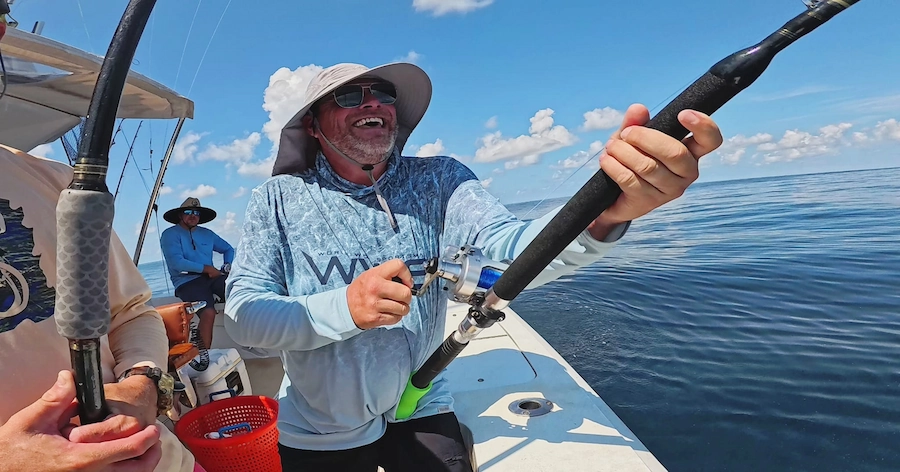
How to Avoid Seasickness on a Fishing Charter — 10 Tips
September 22, 2026 · 6 min read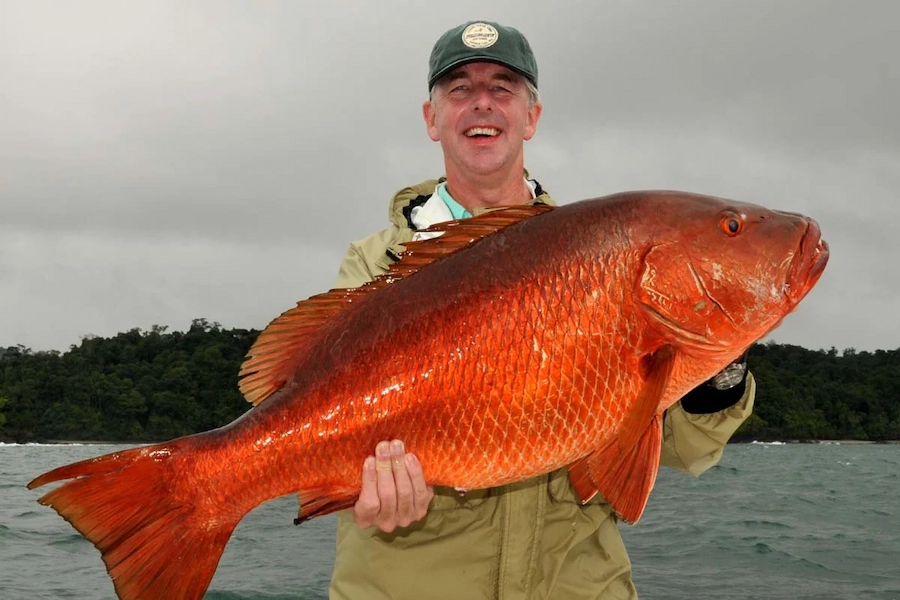
Cubera Snapper Fishing in Quepos — The Complete Guide
September 8, 2026 · 6 min read
Private Sport Fishing · Marina Pez Vela
Ready to Fish Costa Rica?
Private charters available every day of the year from Marina Pez Vela. Expert local captains, all tackle included, hotel pickup available.